
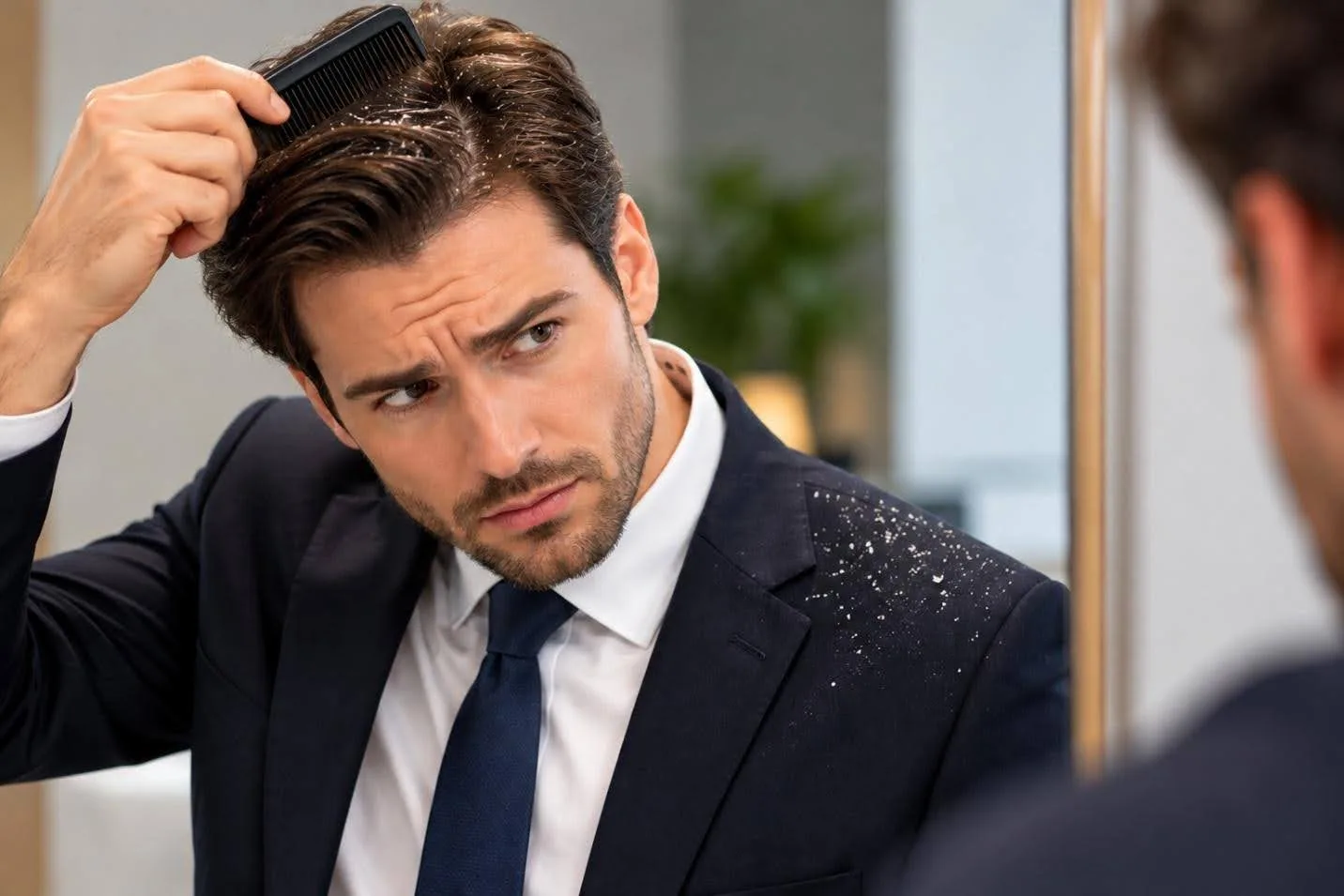
A 2025 dermatology review reports that dandruff affects up to 50% of adults worldwide. Flaking on its own is harmless, but when combined with scalp itching, the situation can be very frustrating. Many over-the-counter (OTC) products can provide relief for mild to moderate dandruff, but some contain harsh chemicals that can sometimes cause more problems.
Keep in mind that dandruff (aka seborrheic dermatitis) is caused by too much Malassezia yeast on the scalp. It is a fungus that is naturally found on our skin, says dermatologist Marisa Garshick. Luckily for men, the condition is easy to treat and manage with the right products.
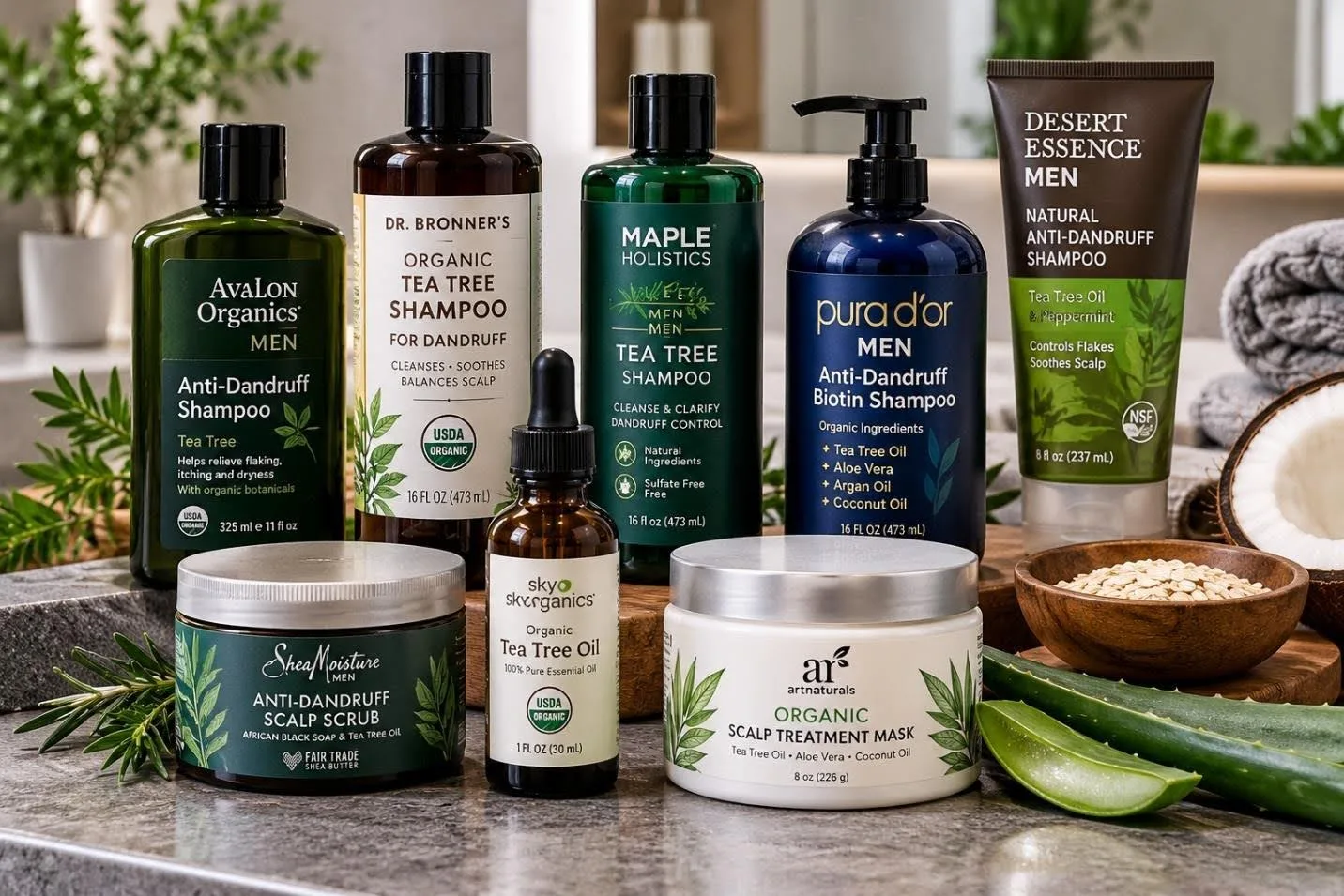
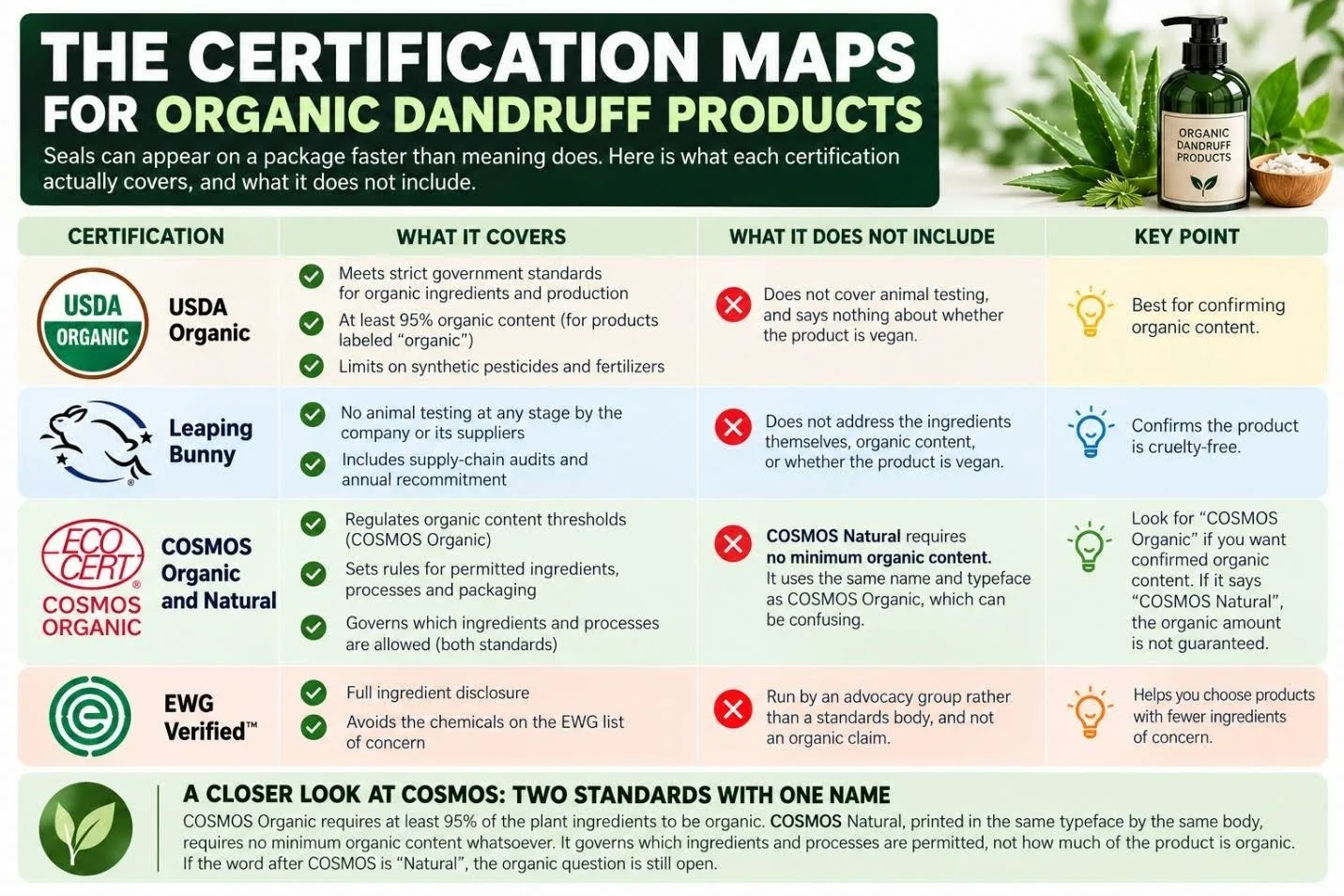
The best organic and natural dandruff treatment for men uses a blend of powerful ingredients that calms dry, irritated skin and reduces flaking. A flaky scalp can be distracting and embarrassing, but don’t worry; our recommended products will get you on the right track to a flake-free life. I carefully verified the labels and certifications and listed only products certified under the USDA Organic program with real customer ratings.
Why guys get dandruff (it's not because you're dirty)
As stated earlier, dandruff affects up to 50% of adults. The main culprit is oil, and men's scalps tend to produce more. When there's too much yeast, the scalp gets irritated and starts to itch, leading to skin shedding.
Dandruff isn't related to poor hygiene. The American Academy of Dermatology says skipping washes can make flakes easier to see (AAD). Cold weather, dry indoor heat, stress, and harsh products can all crank it up.
And to all our beard lovers, the skin underneath has the same oil glands and yeast production, so the product recommended here will work for your beard, too.
What causes dandruff?
Several factors can cause dandruff. Some hair and skin products can cause an allergy, which results in dandruff. Some research shows that diet can play a major role in the development of seborrheic dermatitis. The consumption of meals heavy in meat, alcohol, and potatoes has been associated with seborrheic dermatitis in women (Sanders, 2019).
Other causes of dandruff include an oily scalp, fatigue, stress, immunosuppression, and neurological disorders. Researchers also believe that certain bacteria can lead to overproduction of Malassezia, which can cause conditions like dandruff and flaking.
What organic can (and can't) do
One important detail often gets overlooked. Organic products only use farm-grown and other approved natural ingredients. This means that active ingredients like Zinc pyrithione, Selenium sulfide, Ketoconazole, Salicylic acid, and Coal tar can’t be used. Instead, plants do the job differently: Tea tree helps calm the yeast, plant soaps reduce buildup, and oils and aloe help manage a stressed-out scalp.
10 best organic and natural dandruff treatments for men
Think of these as a team, not a lineup of rivals. Some clean, some treat, some soothe. Most guys do best with one from each group, and I'll show you how to put them together after the list.
1. PURA D'OR Scalp Therapy Shampoo & Conditioner: best overall
This blend uses tea tree and peppermint to cool and clean the scalp. It also includes argan oil to help protect and keep your hair looking rich. This Amazon recommendation carries the USDA Organic badge, meaning at least 95% of its ingredients are certified organic. That's rare for a man's shampoo.
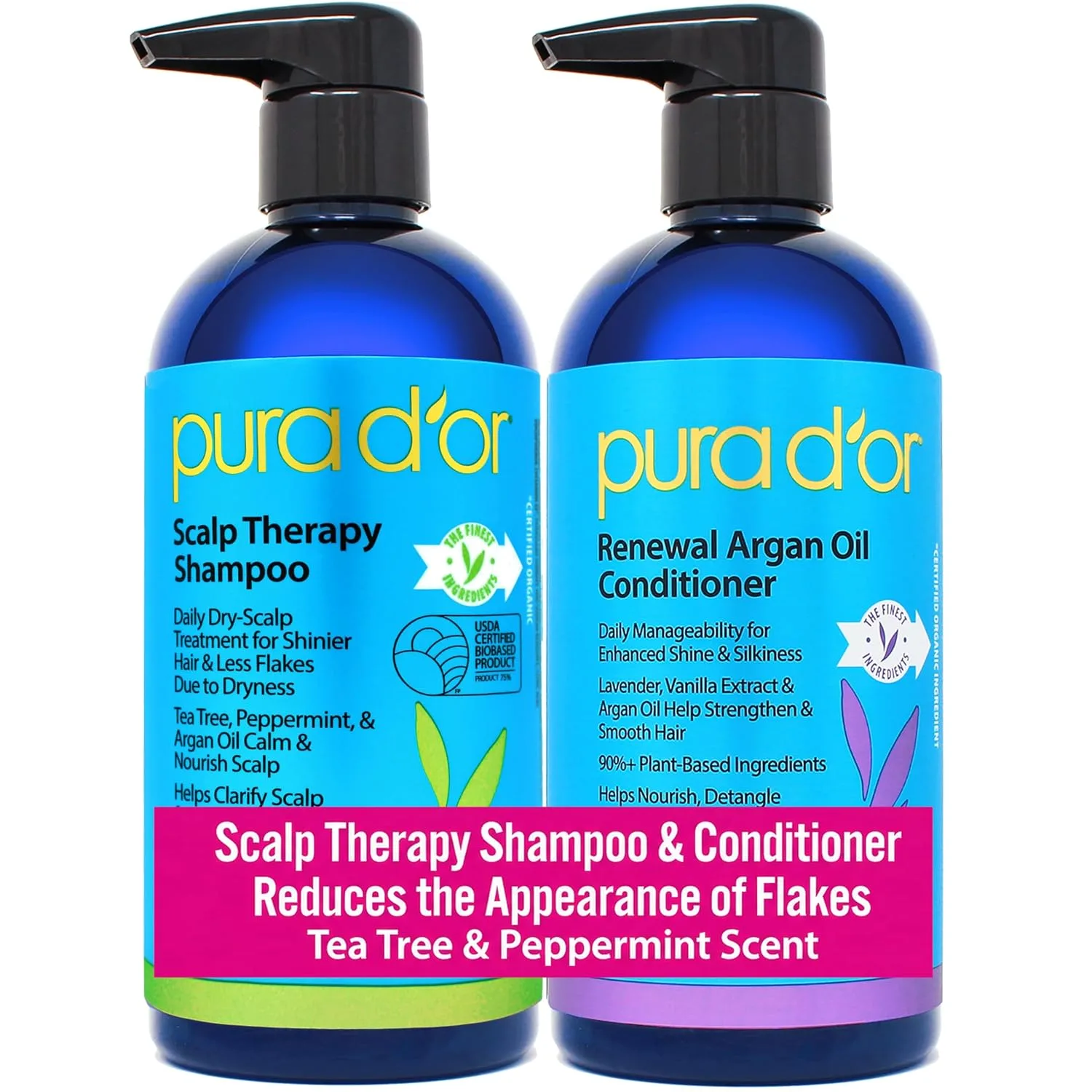
How I'd use it: Work it into your scalp, not just your hair. Let it sit for 3 to 5 minutes while you wash everything else, then rinse. Conditioner goes on the lengths only.
Heads up: It's sulfate-free, so don't expect a mountain of foam. Less lather doesn't mean it's not working.
2. Dr. Bronner's Tea Tree Pure-Castile Soap: best for oily scalps
Dr. Bronner’s castile soap lathers well and feels great on the scalp. It rinses off easily while leaving your skin feeling refreshed and renewed. This highly concentrated soap is a great addition to your shower routine. Made with organic oils and certified fair-trade ingredients, the product contains no synthetic detergents or foaming agents. Look closely, and you'll see it's made from organic coconut, olive, hemp, and jojoba oils, plus tea tree. Dr. Bronner's even lists dandruff right on the label as one of its uses. Bonus: the same bottle handles your face, body, and beard. One bottle, done. This gentle castile liquid bath soap is great for your skin and the planet. It's an ethical, sustainable option and a gentle tea tree body wash for all!
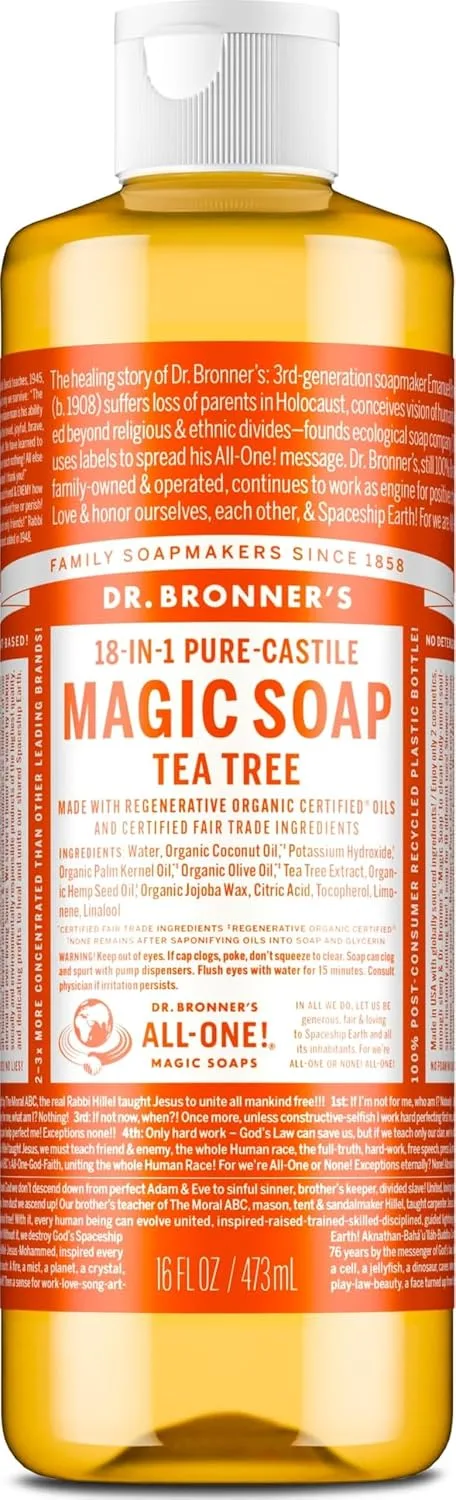
How I'd use it: About half a tablespoon worked into a wet scalp is plenty. This stuff is concentrated.
Heads up: Castile soap can leave hair feeling squeaky or a little tangled. That's what #3 is for. Also, it's certified under the USDA organic program in the "made with organic" tier (at least 70% organic), so you won't see the full USDA seal.
3. Dr. Bronner's Citrus Organic Hair Rinse: the castile soap sidekick
See this as the other half of #2. The men’s hair rinse product is a certified organic and vegan option that rinses, tightening the hair shaft for easy manageability. It contains Shikakai, an ingredient used in India for a long time. For nourishment, it uses coconut, olive, and hemp oils known to moisturize, soften, and add a luxurious look. Dr. Bonner products are certified under the same program that certifies all organically produced agriculture & food in the United States. It leaves the hair looking healthy without any silicone gunk and carries the full USDA Organic seal.
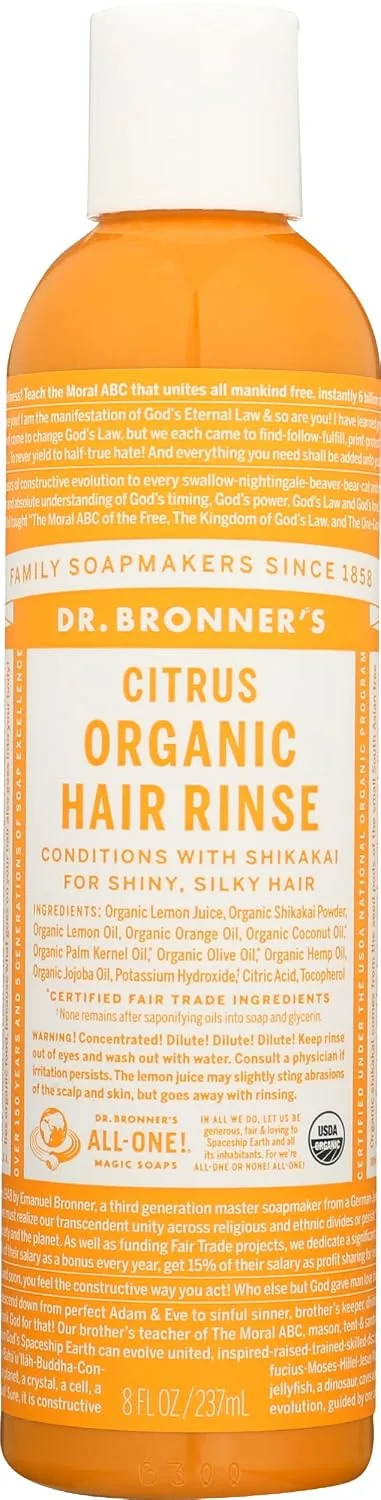
How I'd use it: Mix a capful or two into a cup of water. Pour it over your hair after washing, then lightly rinse, or leave it in.
Heads up: It's a light conditioner. Thick or curly hair may want a few drops of #7 or #8 afterward.
4. Plant Therapy Organic Tea Tree Oil: the MVP
One natural ingredient has earned its place in dandruff treatment: tea tree. In a well-known trial, about 126 people washed their scalp with 5% tea tree oil shampoo for about 4 weeks. Surprisingly, the tea tree group showed a 41% improvement in dandruff (Satchell et al., JAAD 2002). It is kid-safe and can be easily diffused and diluted to preference. Organic tea tree oil reduces dryness and promotes hair growth and overall hair health. It's a great choice for deep cleansing, soothing irritated skin, and reducing bumps and redness. Plant Therapy is USDA-certified organic and distilled from Australian Melaleuca alternifolia leaves- the real stuff.
How I'd use it: Stir about 1 teaspoon (5 mL) into roughly 3.4 oz (100 mL) of shampoo. That gets you close to the 5% blend from the study. Leave it on your scalp for 3 minutes before rinsing, as in the trial (AAFP summary).
Heads up: Always test on your arm first before applying to your scalp. Be patient; after all, very few people in the study were completely flake-free after one month. See tea tree as a control for dandruff, not a magic one-time fix.
5. Kate Blanc Cosmetics Neem Oil for Skin, Hair & Face: best for flakes that won't quit
Kate's Blanc Neem Oil is USDA-certified organic. Its oil is pure, authentic, natural, and hexane-free. Neem is known to be rich in Vitamin E and essential fatty acids. The oil blend nourishes your hair, skin, and nails and suits all skin types. It is pet-safe and can easily be added to their shampoo to improve skin and coat. Using neem oil on the face and skin helps reduce the appearance of blemishes and leaves skin looking young and healthy.
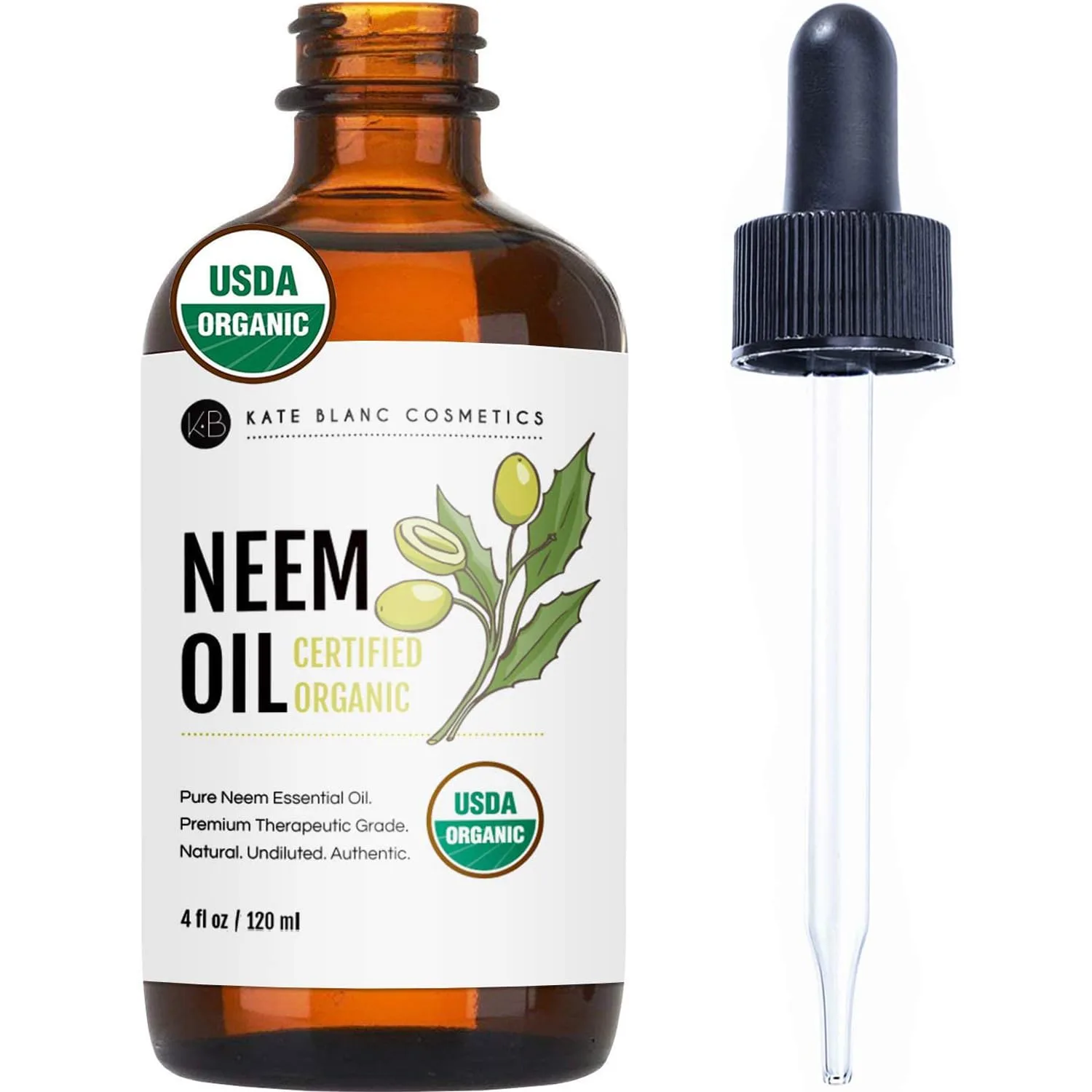
How I’d use it: Stir a few drops into a tablespoon of jojoba (#7) or coconut oil (#8). Work it into your scalp, leave it for 30 minutes, then shampoo out. Once or twice a week is plenty.
Heads up: This is real neem, so it smells like it: earthy and garlicky. A couple of drops of peppermint (#6) take the edge off. It also thickens in cool rooms, so warm the bottle in your hands or warm it in a cup of warm water before using.
6. Plant Therapy Organic Peppermint Oil: best for scalp itch
One of the main problems with dandruff is the itching it causes. The oil is pure, undiluted, and USDA-certified organic. You can dilute it to make a natural lip balm, lotion, body scrub, and more. The formula mixes well with ingredients like spearmint, rosemary, black pepper, palmarosa, lemon, lavender, geranium, and eucalyptus. Its menthol content revitalizes the skin and scalp. Add it to carrier oils to help relieve dandruff, muscle soreness, tension, and discomfort.
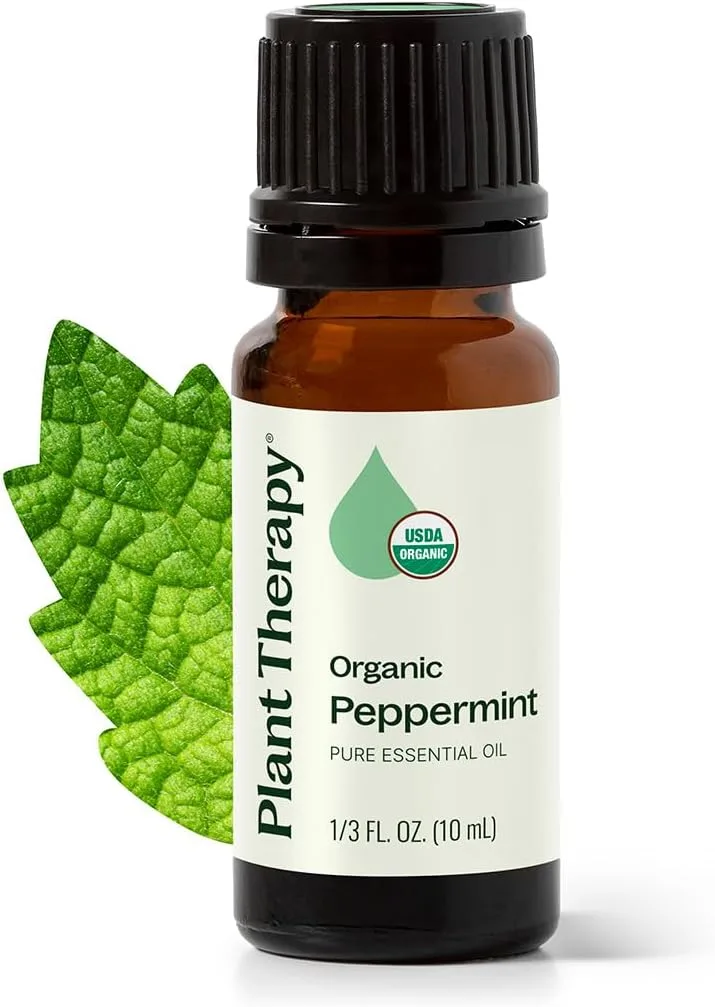
How I'd use it: Add 2 or 3 drops to the shampoo in your palm, or mix it into a carrier oil (about 1% to 3%) for a pre-wash scalp massage.
Heads up: Keep it away from your eyes, and skip it if your scalp is raw or scratched.
7. Cliganic Organic Jojoba Oil: best for beard dandruff
Jojoba is technically a liquid wax that closely matches the oil your skin produces. You can use it on the scalp, face, skin, nails, and whole body. It hydrates and moisturizes to help reduce dryness and itching. Cliganic organic jojoba oil is USDA organic certified, contains one ingredient, and has no synthetic additives. Sustainably sourced, the oil is organic, vegan, and cruelty-free. Minimally processed, it is a great value for all your DIY beauty needs. The smooth oil helps manage beard dandruff.
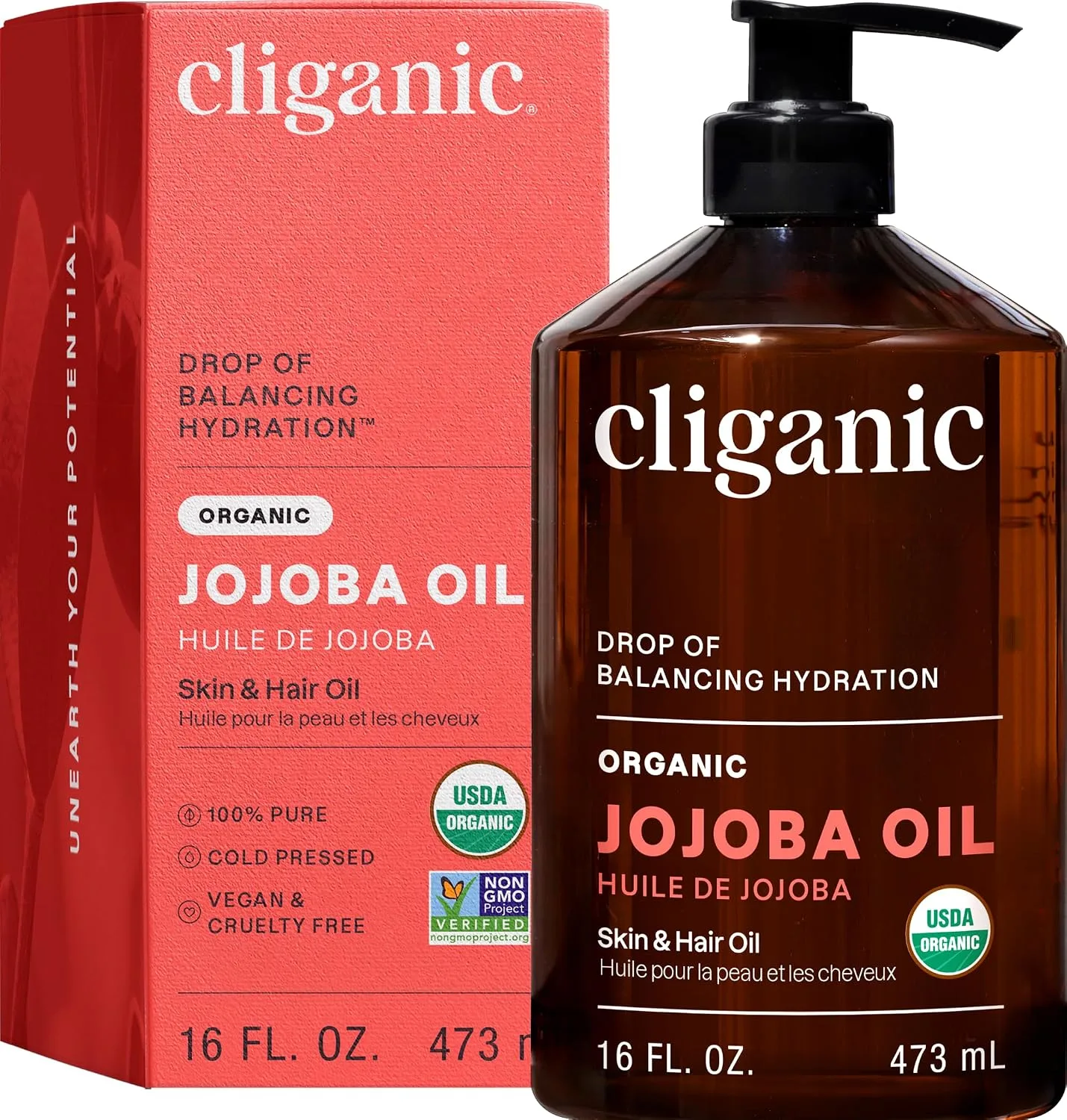
How I'd use it: Rub 3 or 4 drops into your beard and the skin underneath after washing. It's also a great base for mixing in tea tree, neem, or peppermint.
Heads up: Go light. Too much oil on any scalp just gives the yeast a buffet.
8. Viva Naturals Organic Coconut Oil: best for a dry, tight scalp
This pantry hero pulls double duty in the bathroom. It's unrefined, cold-pressed, and USDA-certified organic. It uses only one ingredient (natural coconut oil) and can serve as a hair detangler or conditioner. Coconut oil naturally moisturizes the scalp, leaving it smooth, soft, and well hydrated. Use it as a makeup remover or massage oil. It leaves the hair looking hydrated and the scalp well nourished. The cold-pressed coconut oil is certified gluten-free and organically harvested, free of harmful chemicals and additives. In a 2021 study of 140 women, 12 weeks of coconut oil shifted the scalp's microbes toward the mix you see on healthy, flake-free scalps (Saxena et al., Scientific Reports).
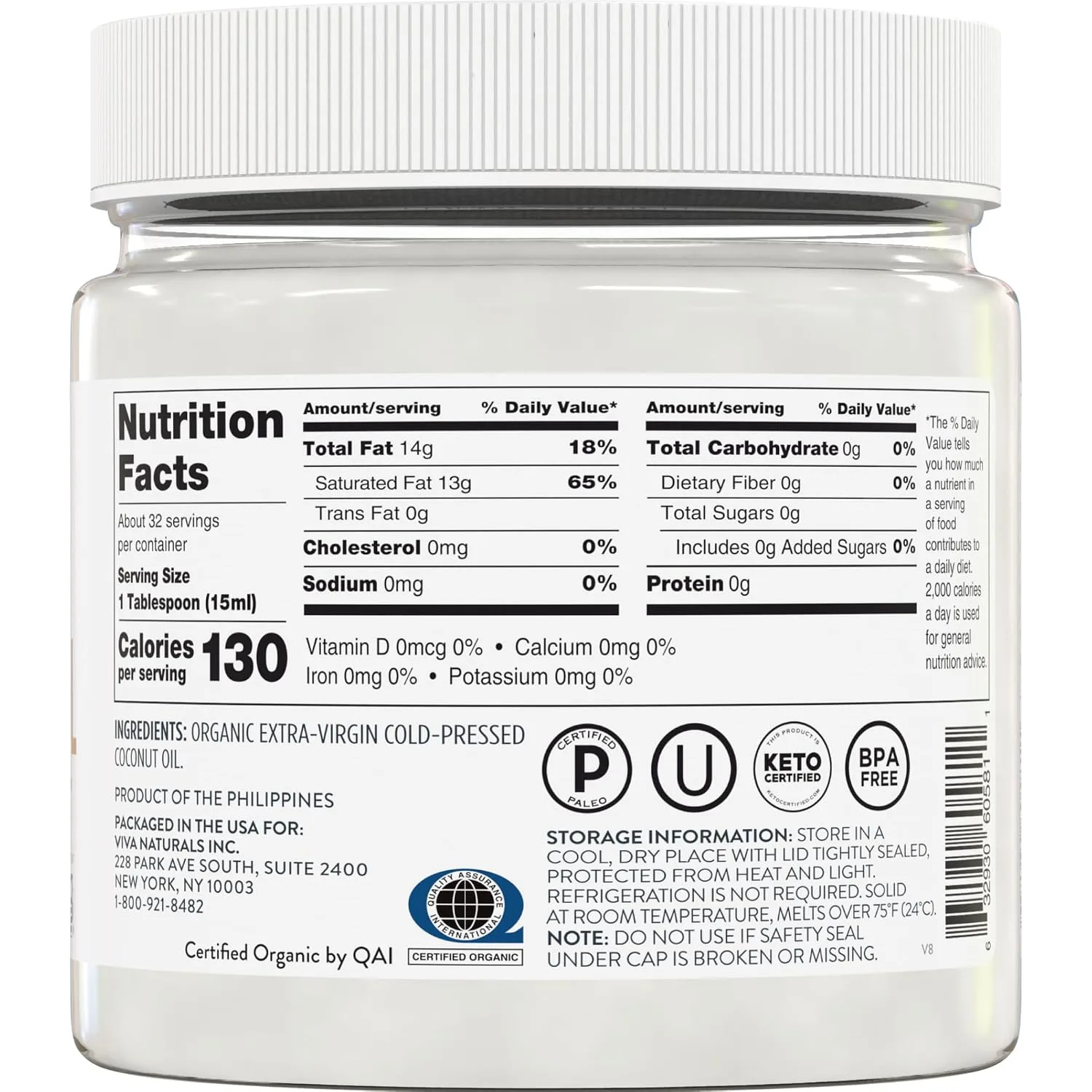
How I'd use it: Warm a teaspoon between your palms and massage it into your scalp 30 to 60 minutes before a shower. Then shampoo it out.
Heads up: This is a wash-off treatment, not a leave-in. If your scalp runs oily, reach for jojoba instead.
9. PURA D'OR Organic Aloe Vera Gel: best for an angry scalp
When your scalp is red, tight, and itchy, aloe feels like pure relief. PURA D'OR's gel is cold-pressed, USDA-certified organic (by CCOF), and made from aloe grown and bottled in the USA. This fast-absorbing moisturizer contains no artificial preservatives and works well on hair, face, and body. It penetrates deeply into the scalp and skin, leaving them looking revitalized. This moisturizer will provide great relief from environmental factors. It contains great antioxidants and nutrients like Vitamin C and E that improve skin firmness and reduce the appearance of early aging.
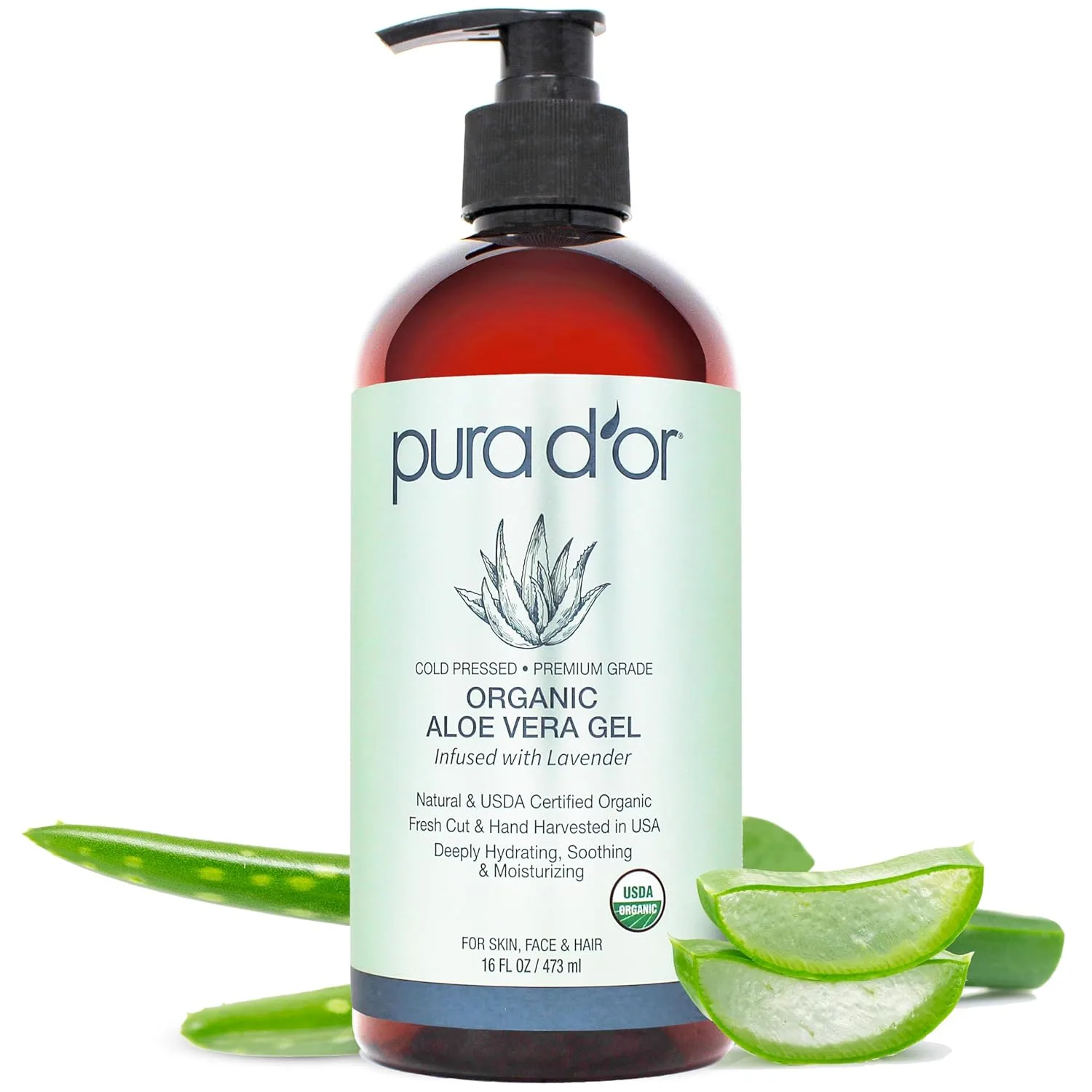
How I'd use it: Part your hair and dab a thin layer onto the itchy spots after a shower. Leave it on. It sinks in fast and won't weigh your hair down.
Heads up: It also makes a great cooling aftershave, so it earns its spot on the shelf twice.
10. Bragg Organic Apple Cider Vinegar: best for buildup
Sweat from the gym, leftover styling products, and minerals from hard water can build up on your scalp and make flakes harder to wash off. This product contains no preservatives or harsh chemicals. No study has tested apple cider vinegar directly for dandruff (Ro). But as an occasional rinse, it leaves your scalp feeling noticeably cleaner. The product is USDA-certified organic, B Corp Certified, Non-GMO Project Verified, and Kosher.
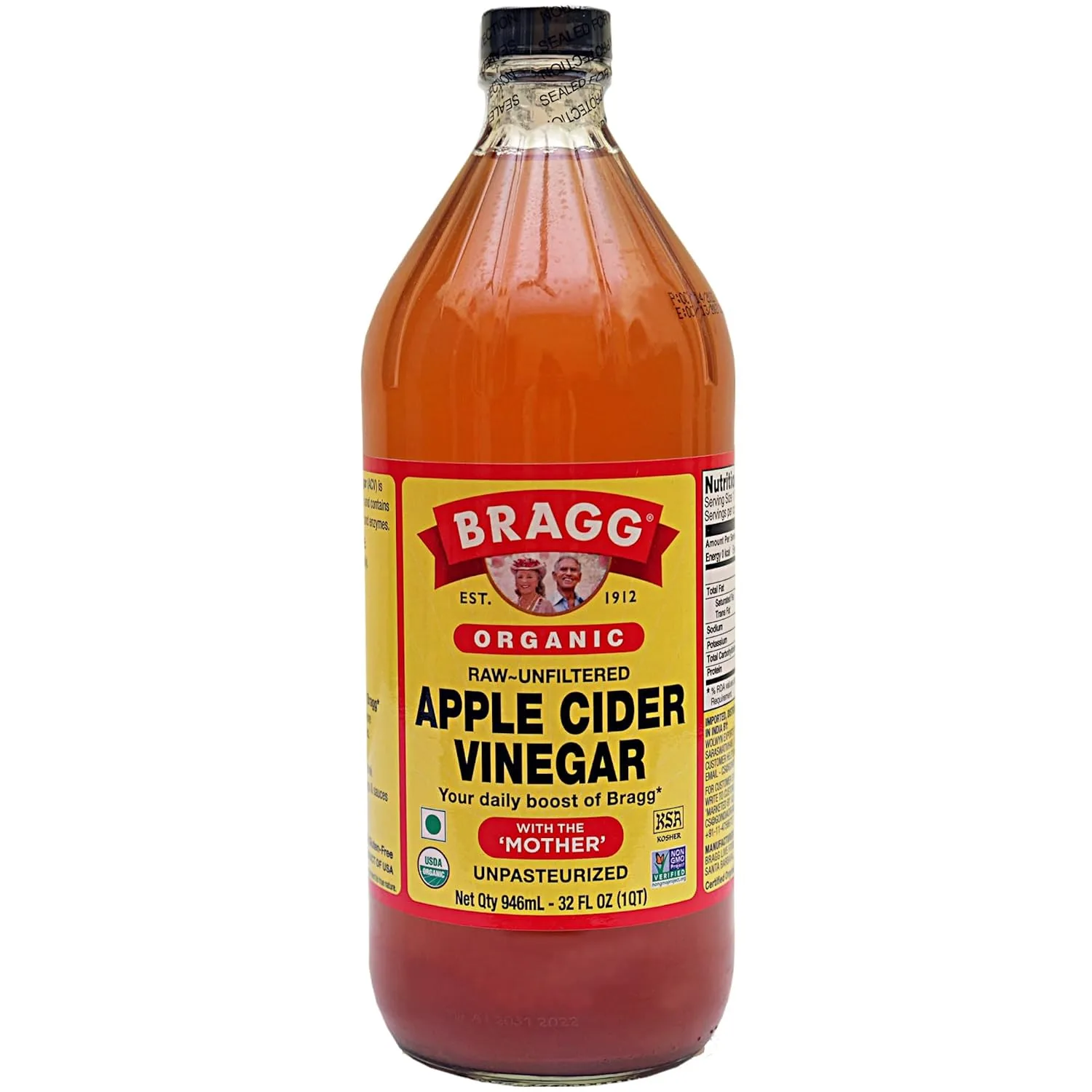
How I'd use it: Mix 1 part vinegar with 4 parts water. Pour it over your scalp after shampooing, wait a minute, and rinse well. Once a week is plenty.
Heads up: Never use it undiluted, and skip it if your skin is scratched or broken.
Your simple organic anti-dandruff routine
The best routine is the one you'll actually do for four weeks straight, which is how long that tea tree study ran. Grab one cleanser, one treatment, and one soother, and you're set.
| When | What to do | Use | |
|---|---|---|---|
| Every wash | Shampoo your scalp, leave 3 to 5 minutes, rinse | #1, or #2 with a little #4 added |
| Every wash | Condition the ends | #1 conditioner or #3 |
| 2 to 3 times a week | Oil massage 30 minutes before showering | #8 or #7, plus a few drops of #5 or #6 |
| When it itches | Thin layer of soothing gel, leave on | #9 |
| Once a week | Rinse after shampoo | #10, mixed 1 part to 4 parts water |
| Every day | Beard oil on beard and the skin beneath | #7 |
A few habits that make everything work harder:
- Wash often enough. If your hair is straight or wavy, dermatologists suggest shampooing daily with a dandruff treatment twice a week. Coarse or curly hair does better with a treatment wash about once a week, focused on the scalp (AAD).
- Stop scratching. I know. But it damages your scalp and spreads flakes. Reach for the peppermint or aloe instead.
- Wear a hat in strong sun. A sunburned scalp flakes more.
- Patch-test anything new, especially essential oils, on your inner arm a day before you put it on your head.
When to see a dermatologist
I love organic, but I love a healthy scalp more. If you've stuck with a routine for four to six weeks and the flakes haven't budged, book a board-certified dermatologist. Stubborn flaking can be seborrheic dermatitis, psoriasis, eczema, or a fungal infection. These can look like dandruff but need different treatment (AAD).
Don't wait that long if you see thick yellow or greasy scales, red patches spreading past your hairline, bleeding, oozing, or bald patches. There's no shame in using a medicated shampoo for a few weeks to get things under control, then returning to your organic routine to keep them that way. That's just smart.